



Short answer: Autocab suits larger UK fleets that want the Uber-backed iGo marketplace for extra work and can accept quote-based pricing and setup fees. Cordic suits established medium-to-large operators and council-linked fleets that value a long UK track record and a compliance-focused system. Both price by quote. If you want published pricing and no long contract, compare a third option such as TBMS.
Autocab vs Cordic at a glance
| Autocab | Cordic | |
|---|---|---|
| Background | Founded 1989; owned by Uber since 2020 | Long-established UK taxi and private hire dispatch supplier |
| Typical customer | Larger UK fleets; 2,000+ UK operators reported | Medium to large UK fleets and local-authority work |
| Pricing model | Quote-based. ExpertSure reports about £2.85 per driver per week plus a £2,000–£5,000 setup fee | Quote-based; no published price list |
| Extra work / marketplace | iGo network: drivers can take overflow jobs from partners including Uber and Addison Lee | No equivalent marketplace reported |
| Booking channels | Phone, web, app and API | Phone, web and app |
| Passenger app branding | Your logo and colours, with limits on deeper customisation | Passenger and driver apps offered; ask the supplier how far branding goes |
| Best for | Operators who want the most proven platform and iGo work | Operators who value supplier history and compliance focus |
Sources: ExpertSure, Taxi Dispatch Software UK 2026; CAB-X, Best Taxi Dispatch Software UK (2026); Cabcher, Top 5 Taxi Dispatch Software UK (2026). Checked October 2026. Prices change, so confirm current terms with each supplier.
Autocab: strengths and trade-offs
Autocab is one of the biggest names in UK dispatch. Since Uber bought it in 2020 it has had the resources to build a strong passenger app and a simple swipe-based driver app. Its main differentiator is iGo, which lets your drivers pick up overflow work from partner networks. The trade-offs are quote-only pricing, a reported setup fee in the thousands, and passenger-app branding that is limited mainly to logo and colours.
Cordic: strengths and trade-offs
Cordic has served UK taxi and private hire operators for many years and is used by both large fleets and local authorities. It is a safe choice for operators who prioritise a proven supplier and compliance. Reviewers note that its interface can feel older than newer cloud-first systems, and pricing is by quote only.
The factors that should decide it
- Total cost — per-driver fee, setup fee, app fees and contract length, not just the headline price.
- Branded apps — how far your passenger and driver apps can carry your own brand.
- Extra work — whether marketplace access such as iGo is worth the cost for your fleet.
- Sector coverage — airport, school, NEMT and courier tools if you need them.
- Onboarding speed — how quickly you can migrate data and go live.
A flexible third option: TBMS
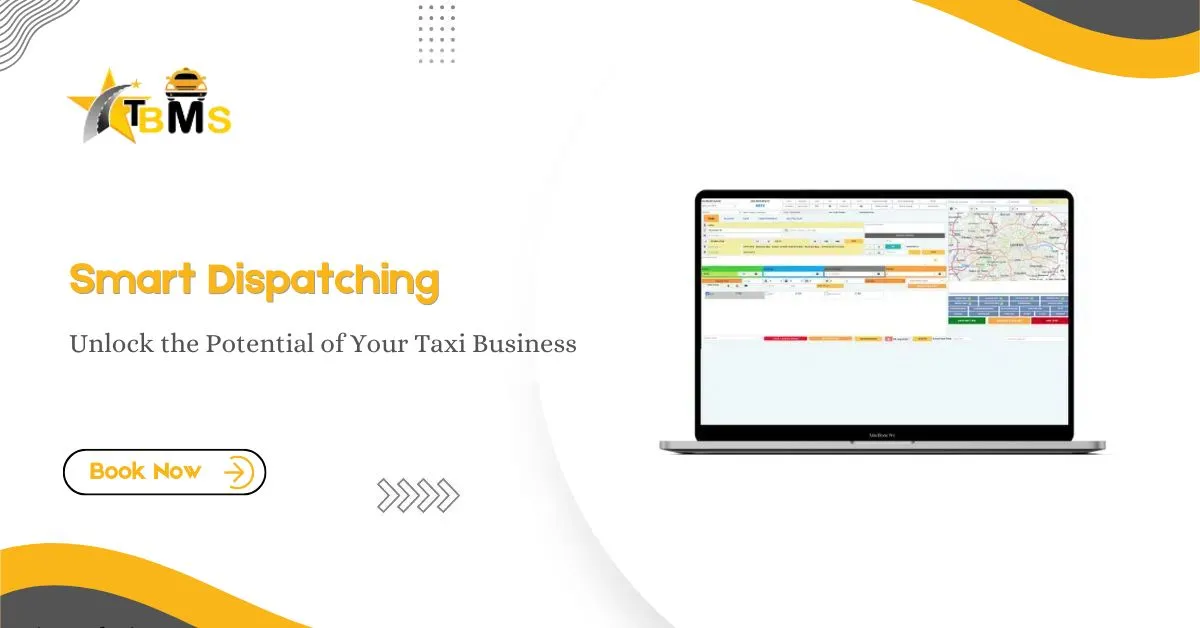
Operators weighing Autocab against Cordic often also shortlist TBMS, a UK-built cloud dispatch platform in use since 2010. It publishes its pricing (from £35 per month for your first 5 drivers), has no long-term contract, includes branded passenger and driver apps, and covers airport, school, patient-transport and courier work. Compare directly: TBMS vs Autocab and TBMS vs Cordic.
How to choose
Shortlist on the factors above, request a demo of each, and ask every supplier for a written total cost over 12 and 36 months, including setup and app fees. See all provider comparisons for the full picture.
Autocab and Cordic are trademarks of their respective owners and are not affiliated with TBMS. Facts about them come from the third-party sources listed above.