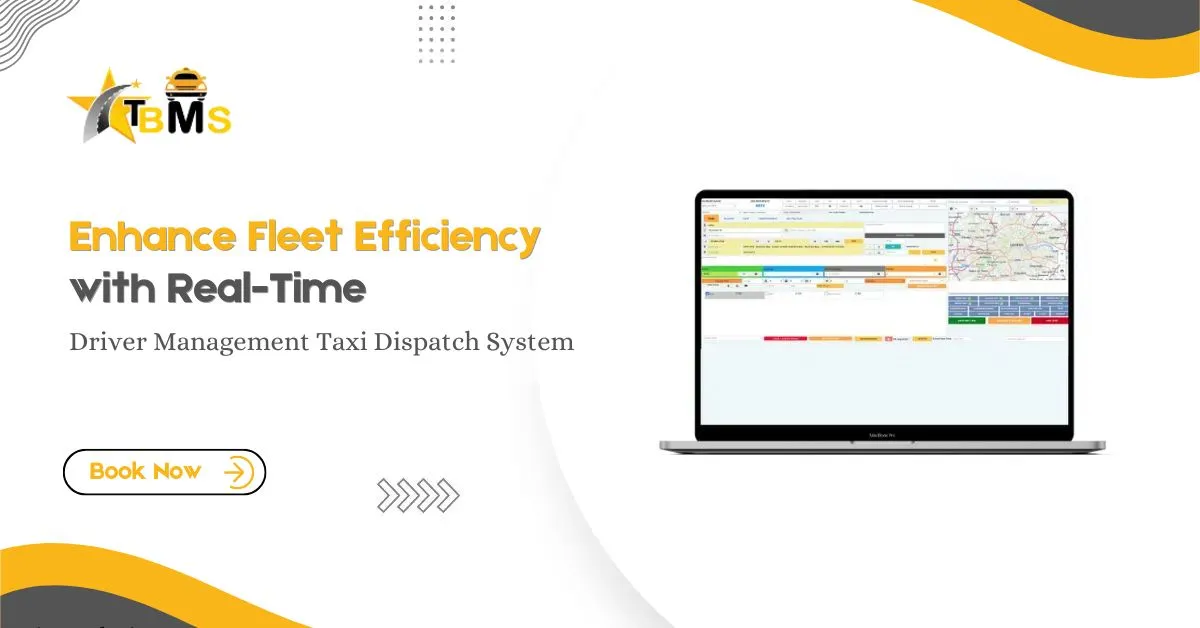
Enhance Fleet Efficiency with Real-Time Driver Management Taxi Dispatch System
1. Introduction
Real-time driver management systems are the new face of managing fleet vehicles and drivers by ground transportation fleet operators. Efficiency and quick response are the keys to survival in today's competitive environment. This paper explains how implementing a real-time driver management system can improve fleet management, elaborating on its advantages, important features, and future trends.
2. Understanding Real-Time Driver Management
What is Real-Time Driver Management?
Real-time driver management refers to handling drivers and vehicles in an active fleet using advanced integrated technologies in real-time. It involves using GPS tracking, communication, and data analytics to attain efficient operations and rapid response.
Key Components of a Real-Time System
A typical real-time driver management system will integrate GPS tracking, automated dispatching, real-time channels of communication, and performance monitoring tools in a comprehensive solution to manage fleets effectively.
3. Benefits of Real-Time Driver Management
Improved Operational Efficiency
By providing data in real time, these systems assist fleet operators in accommodating route optimization, reducing idle time, and ensuring better vehicle use to achieve marked improvements in operational efficiency.
Enhanced Customer Satisfaction
Real-time updates and accurate ETAs enhance customer communication and, in turn, increase satisfaction because the service provided becomes more reliable.
Improved Safety and Compliance
Through real-time tracking, the fleet manager can ensure that drivers operate by safety regulations and company rules, minimizing the possibility of any accident or non-compliance situation.
Cost Savings
Through real-time data, routes get optimized, and fuel consumption gets reduced, making the overall costs quite low after some time; hence, it becomes very economical to implement such systems.
4. Key Components of Real-Time Driver Management
GPS Tracking
This feature of real-time GPS tracking allows fleet managers to trace the exact location of vehicles everywhere, thus enabling them to be on top of the trip-planning process for facilitating on-time deliveries.
Automated Dispatching
With automated dispatching systems, jobs are automatically granted to the nearest available driver, greatly reducing waiting times and increasing overall operational efficiency.
Real-time Communication
Interactive communication tools integrated into the system ensure that drivers and fleet managers stay in touch with each other constantly, hence solving problems on time and updating more quickly.
Performance Monitoring
Monitoring driver performance metrics helps identify areas for improvement and ensures that drivers adhere to the company's set standards.
5. Implementation of Real-Time Driver Management
Steps to Implementation
Implementing real-time driver management entails choosing the right technology, integrating it with existing systems, and training staff to use it.
Choose the Right System
Systems are assessed on functionality, expandability, and cost. Other factors include how easily they can be integrated and the quality of their support services.
Training and Integration
Empower drivers and fleet managers with extensive training for seamless adoption and utilization of the new system.
6. Case Studies and Examples
Successful Implementations
Real-life examples of companies successfully implementing these types of driver management systems have pointed out tangible benefits and improvements in actual numbers and figures.
Lessons Learnt from Case Studies
These examples act as eye-openers to the appropriate way of carrying out processes and possible setbacks arising out of adopting such systems, thus guiding other organizations that may be looking to implement similar systems.
7. Challenges and Solutions
Common Challenges
System integration problems, resistance to change, and installation costs pose challenges.
Strategies to Overcome Challenges
Elucidate a flexible system and thorough training to get over most of the challenges and educate the long-term advantages of the system.
8. Future Trends in Fleet Management
Technological Advancements
Emerging technologies like AI, machine learning, and advanced analytics will likely take real-time driver management systems further.
The Role of AI and Machine Learning
AI and machine learning will enable predictive analytics, automated decision-making, and further optimization of fleet operations.
Predictions for the Next Decade
In years to come, fleet management will continue to become more automated, with even more intelligent systems and further enhancements in efficiency.
9. Practical Tips for Maximising System Efficiency
Best Practices
Regular software updates, monitoring of system performance, and continued staff training will ensure that the system provides maximum productivity.
Common Pitfalls to Avoid
Common pitfalls to avoid include lack of regular maintenance, underestimating the training needs, and not integrating new technologies.
10. Conclusion
Real-time driver management systems are core to modern fleet operations, embracing key business drivers from efficiency to safety. The ability to understand and exploit this system intelligently enables fleet operators to stay ahead in an increasingly competitive market.